Home / Beekeeping for Beginners
A Practical Guide to Caring for Bees in Your Garden
Author: Patricia Smith
Publication date: July 7, 2026
Bees play a crucial role in pollination and maintaining garden health. Caring for them in your garden not only supports biodiversity but also enhances the productivity of your plants. This guide provides practical steps to create a bee-friendly environment that benefits both your garden and these essential pollinators.
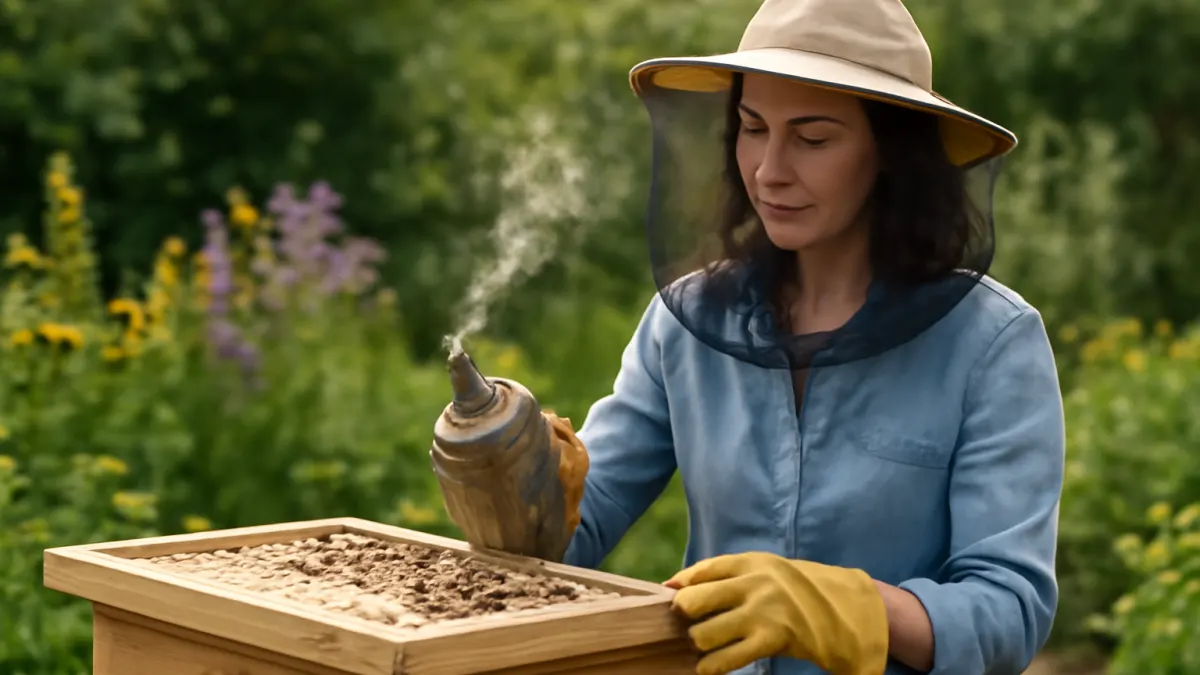
Understanding how to care for bees starts with recognizing their importance. Bees contribute to the pollination of a significant percentage of the fruits, vegetables, and flowers we rely on. Supporting bees in your garden can help maintain local ecosystems and improve the success of your gardening efforts.
Creating a Bee-Friendly Garden Environment
To attract and support bees, your garden should meet several key needs:
- Provide Diverse Flowering Plants: Bees require nectar and pollen from a variety of flowers. Incorporate native plants and flowers that bloom at different times throughout the growing season to offer continuous food sources.
- Avoid Pesticides and Herbicides: Chemical agents can be harmful to bees. Opt for natural pest control methods and encourage beneficial insects instead.
- Offer Shelter: Bees need safe places to nest. Include features like bee hotels, dead wood, or patches of bare soil to support solitary bees and other native species.
- Provide Water Sources: Shallow water dishes with stones for landing spots can help bees stay hydrated, especially during dry spells.
Practical Steps for Caring for Bees
- Plan Your Plantings: Choose plants native to your region since local bee species are adapted to those. Examples include lavender, black-eyed Susans, and native clovers.
- Build or Install Bee Habitats: Construct a bee hotel using untreated wood blocks with drilled holes or leave undisturbed garden corners as natural nesting sites.
- Monitor Your Garden: Sustainably manage your garden by observing bee activity, removing invasive species, and adjusting plant selections based on what attracts pollinators.
- Educate Family and Neighbors: Share information about bee-friendly gardening to expand positive impacts beyond your property.
Who Benefits and Why This Matters
Gardeners, homeowners, and urban dwellers can all contribute to sustaining bee populations. Healthy bees improve fruit and vegetable yields and support overall plant diversity, which benefits wildlife and household well-being. For beekeepers, a healthy wild bee population supports the whole local ecosystem, reducing the pressure on managed hives.
Final Considerations
Always source bee-friendly plants from reputable suppliers to avoid introducing pests or diseases. Additionally, consider joining local gardening or bee conservation groups to gain knowledge and support. By making thoughtful choices, you can create a vibrant, bee-friendly garden that lasts through the seasons and contributes to essential ecological balance.
Tags
Article rating
This article has no ratings yet.
No published comments yet.