Home / Beekeeping for Beginners
Biology for Life: Integrating Biological Principles Into Daily Living
Author: Mary Anderson
Publication date: July 7, 2026
Understanding and applying biology in everyday life enhances health, sustainability, and informed decision-making. By integrating biological principles into daily routines, individuals can improve well-being, support environmental health, and make smarter choices in home, garden, and apiary management.
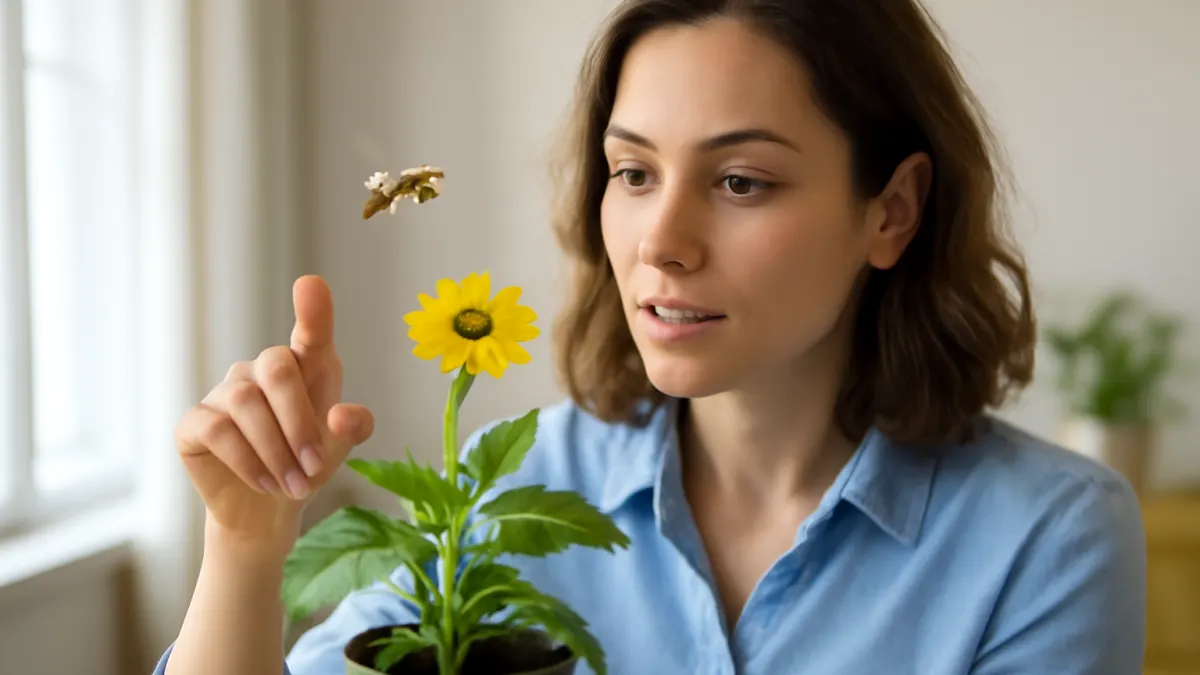
What Is "Biology for Life" and Why It Matters
"Biology for life" refers to using foundational biological knowledge to inform everyday living. This approach connects scientific understanding with practical actions that affect health, environment, and lifestyle. Recognizing how biological systems work empowers you to nurture plants, care for bees, manage your health, and engage more consciously with nature.
Key Biological Principles Relevant to Daily Life
- Cellular Basis of Life: All life forms, including humans and plants, share cellular building blocks. Awareness of this helps in understanding nutrition, diseases, and growth.
- Ecological Interactions: Species interact with each other and their environment. This is essential when managing gardens, conserving pollinators, or reducing ecological footprints.
- Genetics and Inheritance: Traits passed through genes affect individual health risks and plant breeding. Familiarity aids in custom health plans and gardening success.
- Evolution and Adaptation: Organisms adapt to environments. Applying this idea can guide choices in sustainable gardening and protecting biodiversity.
Applying Biology for Better Health Decisions
Biology helps you interpret nutritional information by understanding metabolism and how nutrients affect cells and body systems. For instance, knowledge about the immune system informs vaccine decisions and disease prevention strategies. Recognizing symptoms of infections or allergies through biological awareness supports timely medical consultation.
Enhancing Home and Garden Care with Biology
Using biological principles in gardening encourages practices like companion planting, which leverages natural plant relationships to reduce pests and improve soil health. Understanding soil biology can improve composting, enriching your garden naturally. In home care, biological awareness leads to choosing non-toxic cleaning products that preserve indoor microbiomes and personal health.
Apiary Management Informed by Biology
Beekeeping is deeply rooted in biological knowledge. Understanding bee anatomy, behavior, and colony dynamics helps in healthy hive management. Recognizing signs of diseases like varroa mite infestations or colony collapse disorder allows for timely interventions. Supporting native plant biodiversity boosts bee nutrition and ecosystem resilience.
Making Informed Environmental Choices
Biological literacy aids in assessing human impacts on ecosystems. By understanding food chains and species interdependence, consumers can choose sustainable products, reduce waste, and support conservation efforts. Awareness of pollinator roles emphasizes the importance of planting bee-friendly flowers and reducing pesticide use.
Getting Started: Practical Steps to Integrate Biology Into Your Life
- Learn Basic Biology: Use trusted educational resources or community workshops to build foundational knowledge.
- Observe Nature: Spend time in gardens or natural areas noting plant and animal interactions.
- Apply What You Learn: Practice composting, start a pollinator garden, or track personal health changes mindful of biology.
- Engage With Communities: Join local beekeeping groups or gardening clubs to exchange experiences and tips.
- Make Environmentally Conscious Choices: Opt for organic produce, support pollinator habitats, and reduce chemical use.
Benefits of Embracing Biology in Daily Life
- Health Optimization: Better understanding aids preventive care and informed medical decisions.
- Sustainable Living: Ecologically sound choices reduce environmental harm.
- Enhanced Productivity: Improved gardening and home management through biological insight.
- Community Engagement: Shared knowledge fosters stronger local networks, especially in apiary management.
Tags
Article rating
This article has no ratings yet.
No published comments yet.