Home / Beekeeping for Beginners
Essential Facts About Bees and Their Role in the Ecosystem
Author: Linda Davis
Publication date: July 7, 2026
Bees are indispensable to our environment and agriculture, serving as key pollinators that support biodiversity and food production. Understanding their role in the ecosystem is crucial for both conservation efforts and sustainable living.
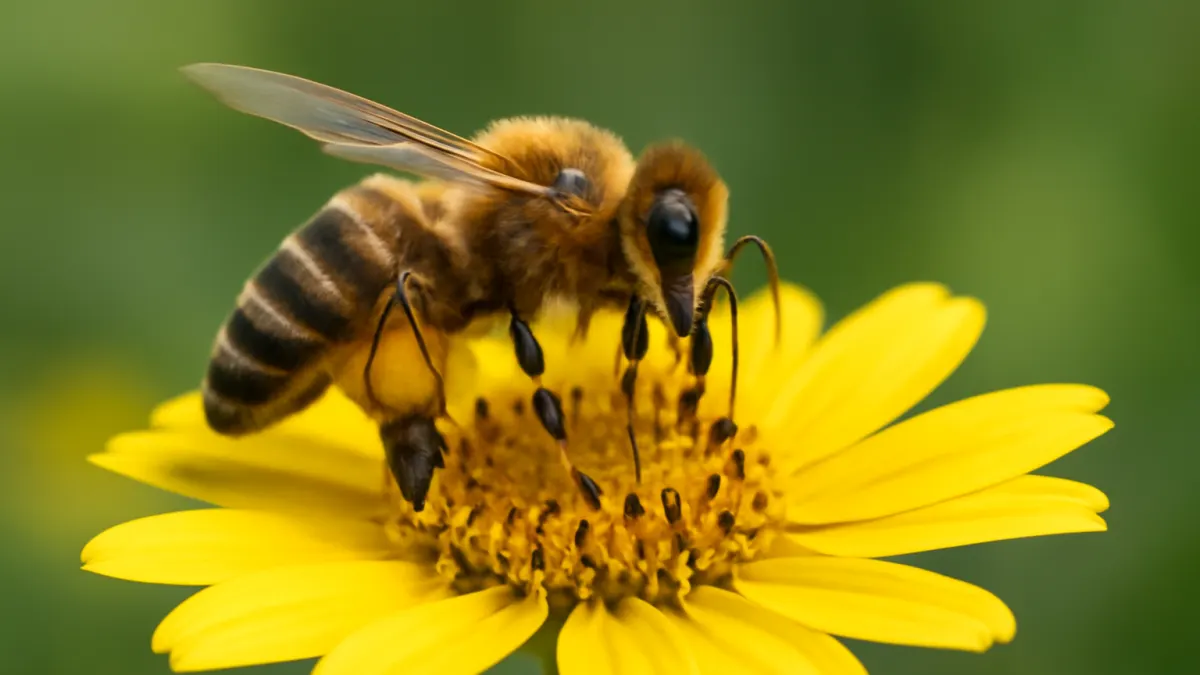
Understanding the Role of Bees in Our Ecosystem
Bees play a vital role in pollination, which is essential for the reproduction of many flowering plants. This process directly supports the growth of fruits, vegetables, nuts, and seeds, making bees important contributors to global food security. Beyond agriculture, bees help maintain biodiversity by enabling plants to propagate and thrive in natural habitats.
What Has Changed in Recent Years?
Bee populations worldwide have faced declines due to habitat loss, pesticide exposure, diseases, and climate change. These challenges threaten the delicate balance of ecosystems that rely on pollination. For apiary management and home gardeners alike, understanding these threats is critical to adopting practices that support bee health and habitat restoration.
Implications for Individuals and Businesses
- Farmers and Apiaries: Recognizing the decline in wild bee populations encourages farmers and beekeepers to implement protective measures such as integrated pest management and habitat enhancement to sustain pollination services.
- Gardeners and Homeowners: Planting native flowering plants and reducing pesticide use can create pollinator-friendly environments at home.
- Consumers: Supporting local honey producers and organic agriculture helps promote sustainable practices that benefit bees.
How to Support Bees Effectively
There are practical steps individuals and communities can take to protect bees and support their essential role in ecosystems:
- Create Pollinator Habitats: Incorporate a variety of flowers that bloom at different times to provide consistent food sources.
- Limit Pesticide Use: Opt for natural pest control methods and avoid using chemicals harmful to bees, especially during flowering seasons.
- Encourage Biodiversity: Preserve wild areas and plant native species to maintain habitats for wild bees and other pollinators.
- Support Sustainable Beekeeping: Engage with local beekeepers or start small-scale beekeeping with attention to bee welfare and environmental impact.
Why Bees Matter Beyond Agriculture
Biodiverse ecosystems supported by healthy pollinator populations contribute to clean air, stable soils, and balanced natural cycles. Protecting bees means investing not only in crop yields but in broader environmental resilience that benefits all living things.
By appreciating and safeguarding bees, individuals across different sectors can contribute to a more sustainable and healthy planet.
Tags
Article rating
This article has no ratings yet.
No published comments yet.