Home / Beekeeping for Beginners
Recognizing Different Bee Species and Their Benefits
Author: David Jones
Publication date: July 7, 2026
Understanding the diversity of bee species is essential for gardeners, farmers, and anyone interested in supporting healthy ecosystems. Recognizing different bees helps appreciate their unique roles in pollination and guides effective conservation efforts.
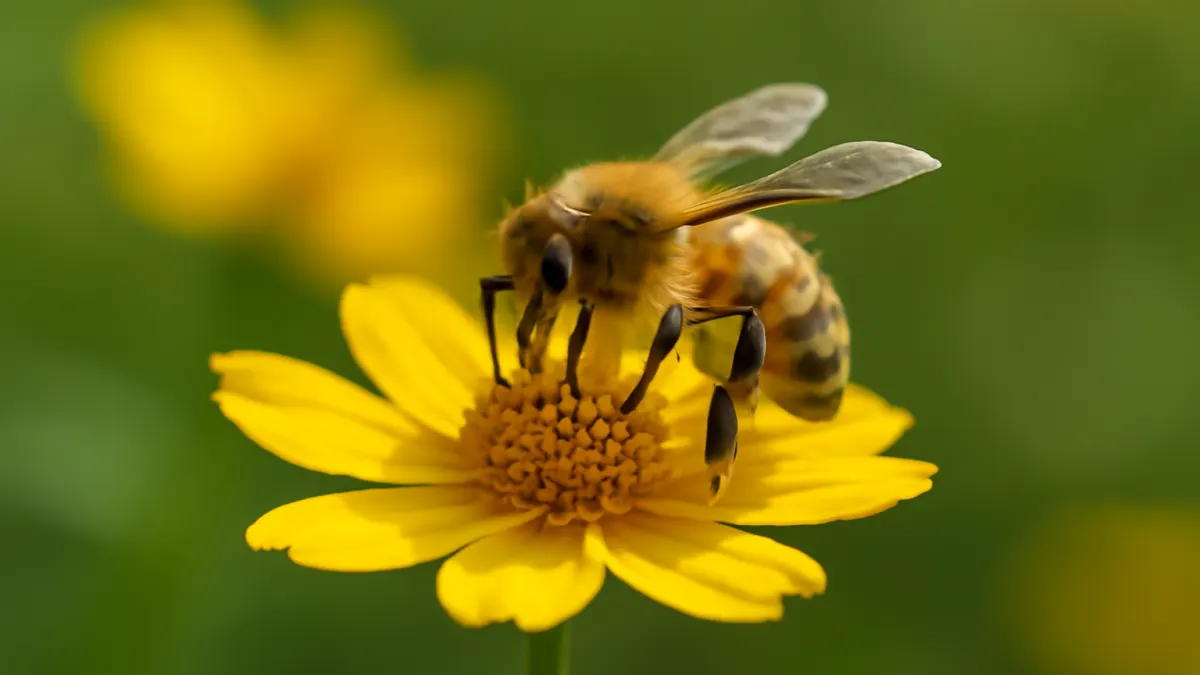
Introduction to Bee Diversity
Bees are more than just the familiar honeybee buzzing around flowers. Globally, there are over 20,000 bee species, each with distinct behaviors, appearances, and ecological roles. Recognizing these differences can help you identify the bees in your garden and understand how they benefit plants and crops.
Common Types of Bees and How to Identify Them
1. Honeybees (Apis mellifera)
Perhaps the most well-known bee, the honeybee is characterized by its golden-brown body with black stripes and relatively small size. Honeybees live in large, organized colonies and produce honey. They are vital pollinators for many crops and can be managed by beekeepers.
2. Bumblebees (Genus Bombus)
Bumblebees are larger and fuzzier than honeybees, often with distinctive black and yellow banding. They are excellent pollinators, particularly in cooler climates and for crops like tomatoes and blueberries. Because of their size and strength, bumblebees can perform “buzz pollination,” which shakes pollen loose from certain flowers.
3. Solitary Bees (Various families such as Andrenidae, Megachilidae)
Unlike social honeybees and bumblebees, solitary bees do not live in colonies. They include mason bees, leafcutter bees, and mining bees, each nesting differently—some in soil, others in wood or hollow stems. Solitary bees are efficient pollinators. For example, mason bees are known for pollinating fruit trees effectively.
Why Identifying Different Bee Species Matters
Recognizing bee species allows gardeners and farmers to tailor their practices. Knowing which bees frequent your area can guide the selection of plants to support native pollinators. It also enhances efforts to protect vulnerable bee species that may be declining due to habitat loss or pesticides.
For example, encouraging solitary bees by providing bee hotels or leaving patches of bare soil supports their reproduction. Meanwhile, managing honeybee hives carefully prevents the spread of diseases to wild bees.
Practical Tips to Support Various Bee Species
- Plant diverse, native flowering plants: Aim to have blooms throughout the growing season to offer food sources for different bee species.
- Provide nesting sites: Leave bare patches of soil, avoid excessive mulching, or set up bee houses for cavity-nesting solitary bees.
- Limit pesticide use: Use organic practices when possible and apply chemicals in the evening when bees are less active.
- Educate yourself on local bee species: Use field guides or local resources to learn what bees are native to your region.
Conclusion
Recognizing different bee species and understanding their unique benefits equips you to better support pollinator health in your garden or farm. Each bee—from honeybee to solitary species—plays a vital role in sustaining biodiversity and food production. By adapting your practices to accommodate various bees, you contribute to a healthier environment for all.
Tags
Article rating
This article has no ratings yet.
No published comments yet.